
Key points
- Before payment, verify on China’s official National Enterprise Credit Information Publicity System (www.gsxt.gov.cn) that the contracting company exists and that the bank account name matches the contracting company.
- Include model, configuration, serial numbers, loading port, delivery time, warranty and payment terms in the proforma invoice and contract; items not written down are difficult to claim later.
- If you receive a “change of bank account” notice, call the supplier at a phone number you already have to verify; the FBI warns this fraud often starts by email.
- Before shipment confirm tariff code, permits and taxes with your customs broker: Mexico requires importers to be registered in the SAT Importers Registry; the Peru–China FTA tariff reduction does not apply to used goods.
Step 1: define the machine and its intended use before requesting prices
Comparable quotes start from a precise request: machine type, model or tonnage, new or used, main working conditions, expected daily operating hours, site climate and altitude, and destination port or city. With this information suppliers can propose the right configuration and you’ll receive offers with the same conditions, easy to compare.
If you’re considering used equipment, specify acceptable year and hours ranges, and whether you need a machine ready to work or can handle repairs. Used equipment is the purchase of a specific unit; catalogue photos only help identify the model.
Step 2: verify who the supplier is
In China every legally registered company has an 18‑character unified social credit code (national standard GB 32100‑2015). With the company’s full Chinese name or that code anyone can check its registration on the National Enterprise Credit Information Publicity System (www.gsxt.gov.cn), the official public query platform. The site is in Chinese; use your browser’s automatic translation.
| What to verify | Where to check | Alert signal |
|---|---|---|
| Legal company name and 18-character Unified Social Credit Code | National enterprise credit information system; contract and proforma invoice | Company named on the contract not found in the registry, or name does not match |
| Registration status, establishment date, and registered scope of business | Registration information from the national enterprise credit information system | Company deregistered or license revoked, or scope of business unrelated to machinery or trade |
| Payee account holder name | Bank information on the proforma invoice | Payee is an individual or another company, without a written explanation |
| Factory, yard, or specific machine | Live video call or on-site visit | Only generic photos; the machine and nameplate are not visible |
| Transaction history with other buyers | References, delivery photos and customer visit photos | No verifiable track record |
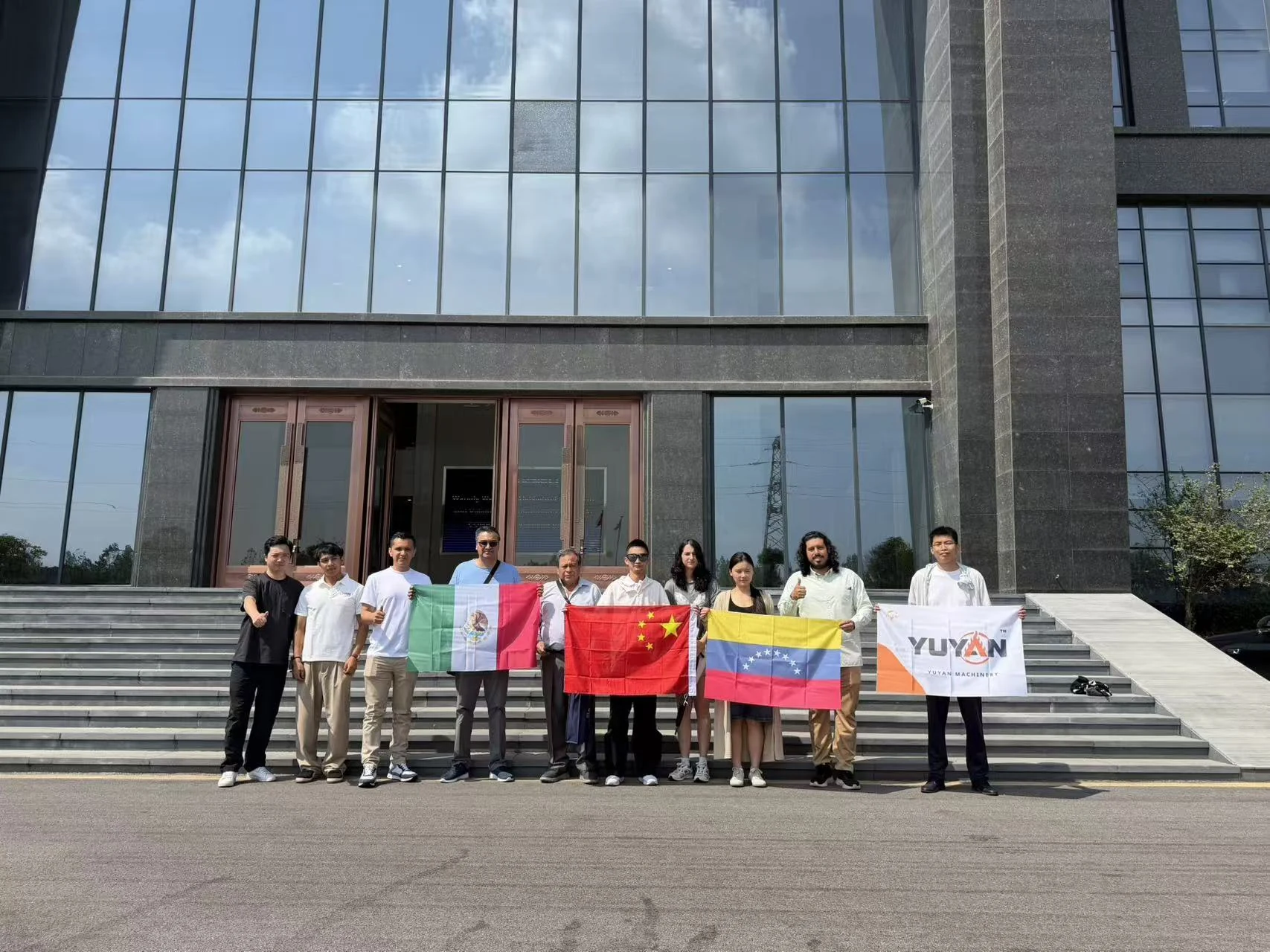
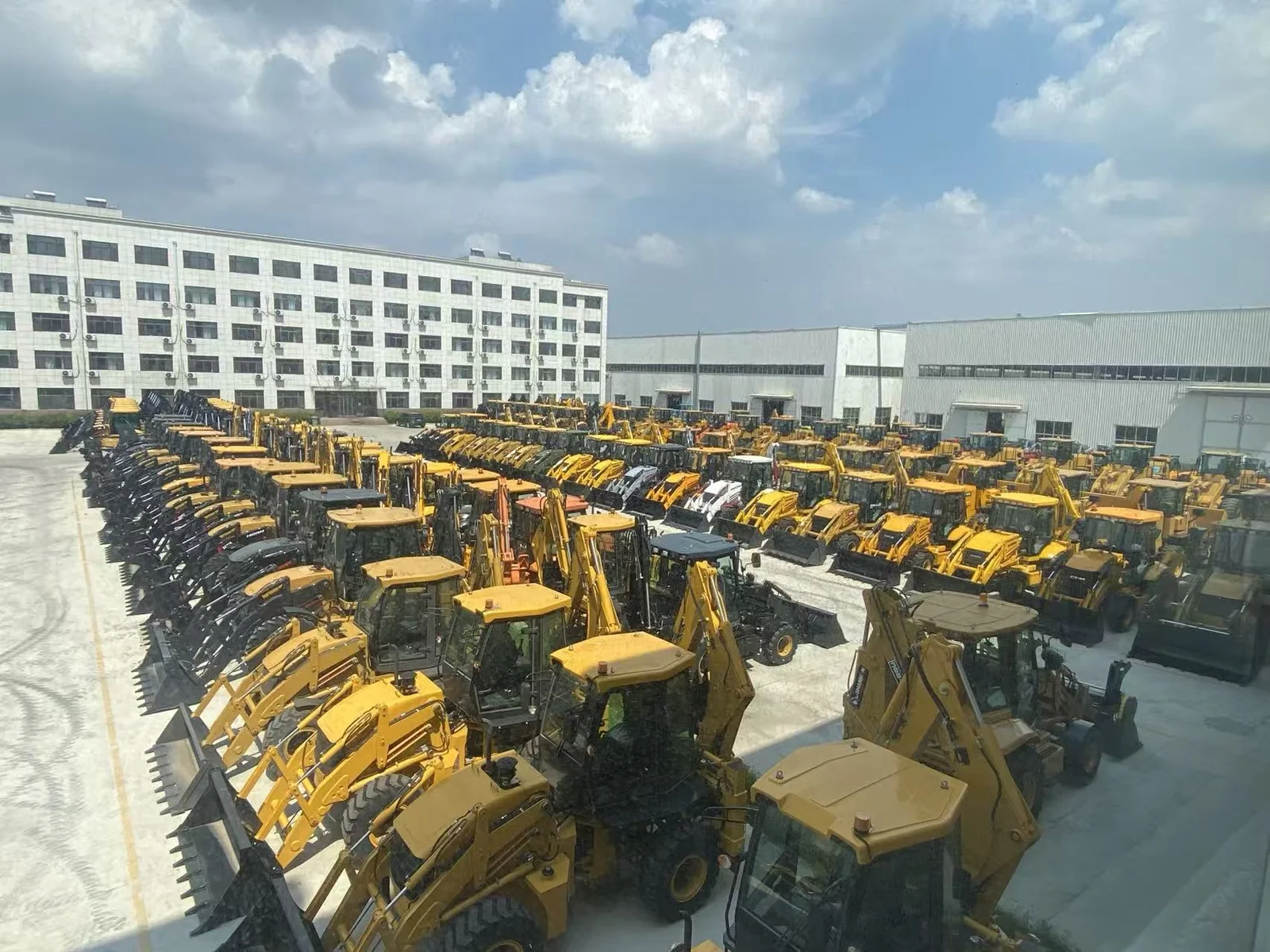
Seeing the machine and its nameplate on a live video call, or visiting the factory or yard in person, is the most direct way to confirm the supplier actually has the equipment. If you travel to China, request to see both the office and the location where the machine is kept.
ImportantThis checklist applies to any supplier, including us. Ask us for the full legal name and the unified social credit code of the company that will sign your contract, and verify them yourself.
Step 3: put the configuration, price and payment in writing
The proforma invoice and contract must describe the same machine quoted: brand, model, new or used, year and operating hours if used, engine and major components, included attachments, assigned whole-machine serial number if already allocated, trade term and loading port (for example FOB Shanghai), delivery time, warranty, and payment terms.
| Payment methods | How it works | What to consider |
|---|---|---|
| Staged T/T (telegraphic transfer) | Deposit on order confirmation; balance before shipment or against copy of B/L | Always pay into the contracting company’s account; agree in writing which document releases the balance |
| Letter of credit (L/C) | Buyer’s bank pays against documents complying with the credit terms | Requires an issuing bank and incurs bank fees; required documents must be defined upfront |
| Full prepayment | Full payment before manufacture or shipment. | Concentrates the risk on you; use only with suppliers you already have a business history with. |
Letters of credit normally incorporate the International Chamber of Commerce’s Uniform Customs and Practice for Documentary Credits (UCP 600, effective 1 July 2007), the rules banks worldwide use for documentary credits. The bank reviews documents, not the machine; therefore the required documents (commercial invoice, B/L, packing list, certificate of origin or inspection certificate) must be defined from the start.
Step 4: protect payments against account‑change fraud
A common fraud in international trade does not require a fake supplier: someone gains access to or impersonates the supplier’s email and notifies a “bank account change” just before payment. The FBI calls this business email compromise (BEC) and recommends verifying any change to a supplier’s payment details through another channel.
- Record the receiving bank account in the contract or in the signed proforma invoice, in the name of the contracting company.
- If you receive a notice of account change, do not reply to that email; call the person you negotiated with at a phone number you already had.
- Before each transfer, check the beneficiary, bank and SWIFT code character by character; changing a single digit is enough to divert the payment.
- After payment, send the remittance slip and ask the recipient to confirm receipt.
Step 5: inspect before shipment
A pre-shipment inspection compares the machine to the contract, item by item, before it leaves China. It can be done by video, by your own technician, or by an independent inspection company. For example, SGS’s pre-shipment inspection service checks quality, quantity, marking, packaging and loading, and includes documentary review and witnessed testing.
- Nameplates and serial numbers of the machine and the engine, compared with the proforma invoice.
- Configuration: engine, bucket, tires, cab, air conditioning and agreed attachments.
- Run test: cold start, all hydraulic functions, travel, brakes and steering, recorded in one continuous video.
- Used equipment: hour meter, leaks, play/clearances, undercarriage or tire condition, and structural damage.
- Securing the machine and loose parts for transport.
Agree in writing who pays for inspection, which items are checked and how discrepancies are handled. An inspection that has not been scheduled should not be presented as completed.
Step 6: transport documents
Shipping methods and the terms FOB, CFR and CIF are explained in the FOB inquiry guide. Here the documents matter: if any are missing, the machine cannot be released from the port.
| Document | Purpose | What to check |
|---|---|---|
| Commercial invoice | Declare the value and description to customs | Model, serial number and amount match the contract |
| Packing list | Packages, weights and dimensions | Includes loose parts and supplied attachments |
| Bill of lading (B/L) | Transport contract and cargo receipt; negotiable B/L or title document | Correct consignee, discharge port and cargo description |
| Certificate of Origin | When applicable, allows application of a preferential FTA rate | Use the format corresponding to the agreement with your country |
| Inspection Certificate or Report | Provided when required by the contract or letter of credit | Date, unit and scope of inspection |
According to Maersk, a negotiable B/L is a document of title and the original must be presented to collect the cargo; with a telex release the carrier may release the cargo without the paper original; a sea waybill is not a document of title and the goods are delivered to the consignee named on the waybill. For this reason, the method of cargo release should be agreed together with payment of the balance.
Step 7: prepare the destination customs in advance
Each country has its own rules, and before shipment a local customs broker should confirm classification, duties and permits. The following official references serve as a starting point:
| Country | What to consider | Official source |
|---|---|---|
| Mexico | If you import goods as an individual or a company, you must be registered in the SAT Importers Registry (Padrón de Importadores); requirements include an active RFC and an e.firma. | SAT |
| Colombia | Used, imperfect, repaired or remanufactured goods may require a prior import license (Decree 925 of 2013); confirm the status of your machine. | Ministry of Commerce, Industry and Tourism (MinCIT) |
| Peru | The Peru–China FTA has been in force since March 1, 2010, but its tariff elimination schedule does not apply to used goods. | SUNAT |
| Chile | To receive the preferential rate under the Chile–China FTA you must present a certificate of origin on import; used goods, when authorized for import, are subject to an additional surcharge. | National Customs Service |
| Ecuador, Costa Rica and Nicaragua | They have FTAs in force with China; the preferential rate requires meeting the rules of origin and presenting proof of origin. | China Ministry of Commerce Free Trade Zone Service Network |
Tariff classification is based on the Harmonized System (HS). As a reference, in the U.S. tariff schedule wheel loaders and other front-end loaders are under 8429.51, excavators with an upper structure that can rotate 360° are under 8429.52, and backhoe loaders are under 8429.59. The first six digits are common across countries; your customs broker must confirm the national code and rate.
ImportantThis table summarizes official sources consulted in October 2026 and does not constitute customs advice. On the China Ministry of Commerce Free Trade Zone Service Network, Honduras and Panama are listed among agreements under negotiation, not as in force.
Step 8: plan spare parts and service from the order
When the machine arrives, downtime is the largest cost. It’s best to include the following points in the quote or contract at the time of order:
- A list of filters and wear parts required for the first service, and whether they ship with the machine.
- Operation and parts manuals in Spanish or English.
- How spare parts are shipped (courier, air, or with the next sea shipment) and who pays the shipping.
- Contact, language and hours for remote technical support.
Frequently Asked Questions
Can I verify a Chinese company myself?
Yes. Check www.gsxt.gov.cn using the company’s full name in Chinese or its 18‑character Unified Social Credit Code, and compare the results with the company name on the contract and the account holder name for payment.
Which payment method is safest for importing machinery?
There is no single answer. A letter of credit lets you control payment by documents but incurs bank fees; staged wire transfers are common between parties with established trust. In all cases, pay only to the contract company’s account and verify by phone—using a known number—any account changes.
Do I need a customs broker?
It is recommended. A customs broker will confirm tariff classification, taxes, permits and documents before shipment, helping prevent the machine from being held at the port.
Does my country have a free trade agreement with China?
Chile, Peru, Costa Rica, Nicaragua and Ecuador have FTAs in force with China. Preferential rates require proof of origin and you must confirm whether your goods qualify; for example, the Peru–China FTA’s tariff reductions do not apply to used goods.
Can I import used machinery from China?
It depends on the destination country. For example, used goods may need prior import permits in Colombia, and Chile charges an additional duty on approved used imports. Confirm with your customs broker before purchasing.
Sources consulted
- China National Enterprise Credit Information Publicity System (in Chinese)SAMR (China)
- What is the Unified Social Credit Code? (in Chinese)China National Organization Code Management Center
- ICC: UCP 600 — new documentary credit rules (in English)International Chamber of Commerce
- FBI: business email compromise (in English)FBI
- SGS: pre-shipment inspection (in English)SGS
- Maersk: sea waybill vs. bill of lading (in English)A.P. Moller - Maersk
- China Free Trade Zone Service Network (in English)MOFCOM
- SAT Mexico: registration in the Importers' Registry (in Spanish)SAT
- MinCIT Colombia: foreign trade FAQs (in Spanish)MinCIT
- SUNAT Peru: origin procedure for the Peru–China FTA (in Spanish)SUNAT
- Chilean Customs: Chile–China FTA (in Spanish)Servicio Nacional de Aduanas
- USITC: United States Harmonized Tariff Schedule, heading 8429 (in English)USITC
External sources explain general rules; specific taxes, permits and contractual conditions depend on the destination country authority and the written contract.
With the target model and destination port, the next step is to verify the specific equipment and the quotation.
Submit your purchase request ↗Back to the purchasing guide ↗